
Construction Safety Training Case Study | NASA’s ML2 Rescue Team
When construction began onNASA’s Mobile Launcher 2 (ML2)at Kennedy Space Center, the...


Workplace Safety Services
First Choice Safety seamlessly integrates with your team and employs a proven human performance safety observations and coaching strategy to ensure your employees and contractors have the oversight and resources needed to complete any task safely.
Services OverviewWorkplace Safety Training
First Choice Safety seamlessly integrates with your team and employs a proven human performance safety observations and coaching strategy to ensure your employees and contractors have the oversight and resources needed to complete any task safely.
Training OverviewRescue Standby Services
Your project must adhere to strict safety standards, and the safety coordination of contractors and staff can be a daunting task for almost anyone! First Choice Safety seamlessly integrates with your team and employs a proven human performance safety observations and coaching strategy to ensure your employees and contractors have the oversight and resources needed to complete any task safely.
Standby OverviewShop Safety Equipment
First Choice Safety seamlessly integrates with your team and employs a proven human performance safety observations and coaching strategy to ensure your employees and contractors have the oversight and resources needed to complete any task safely.
Shop All Products
First Choice Safety Solutions delivers hands-on SPRAT Level 1, 2, and 3 Rope Access Training at New England's largest purpose-built rope access training center, preparing you for professional industrial rope access work as a certified rope access technician
SPRAT (Society of Professional Rope Access Technicians) is the North American organization that advances the safe use of rope access through education, standards development, and certification administration. Established in the mid-1990s, SPRAT developed industry-consensus standards that have gained regulatory recognition across North America. SPRAT certification demonstrates that technicians have been trained and tested to these established safety standards. SPRAT certification provides instant recognition and credibility for technicians and the companies that employ them. Many employers specifically look for SPRAT certification when hiring rope access services, making it essential for career advancement in the field.
SPRAT was established in the mid-1990s when rope access companies faced a critical problem: without recognized standards, safety managers and regulators often prevented rope access work, despite its proven effectiveness.
SPRAT solved this by developing industry-consensus standards that demonstrated rope access safety and effectiveness. These standards gained official recognition - first in California, then in Alberta and New York City - legitimizing rope access as an accepted industrial access method.
Today, SPRAT certification means you're trained to the standards that regulators recognize and employers trust.

SPRAT's mission is to advance the safe use of rope access and other work-at-height methods through education, standards development, and administering certifications. Since 2001, thousands of rope access technicians from companies and government agencies have been certified to SPRAT standards.
SPRAT supports the rope access industry with regulatory support, networking opportunities, and the development of industry-consensus standards. The organization values professionalism, accountability, and integrity while promoting diversity and inclusion throughout the rope access community.
SPRAT certification validates that you've mastered both technical rope access methods and critical safety protocols. It provides instant recognition and credibility - companies hiring rope access services specifically look for SPRAT certification as proof of technical competence.
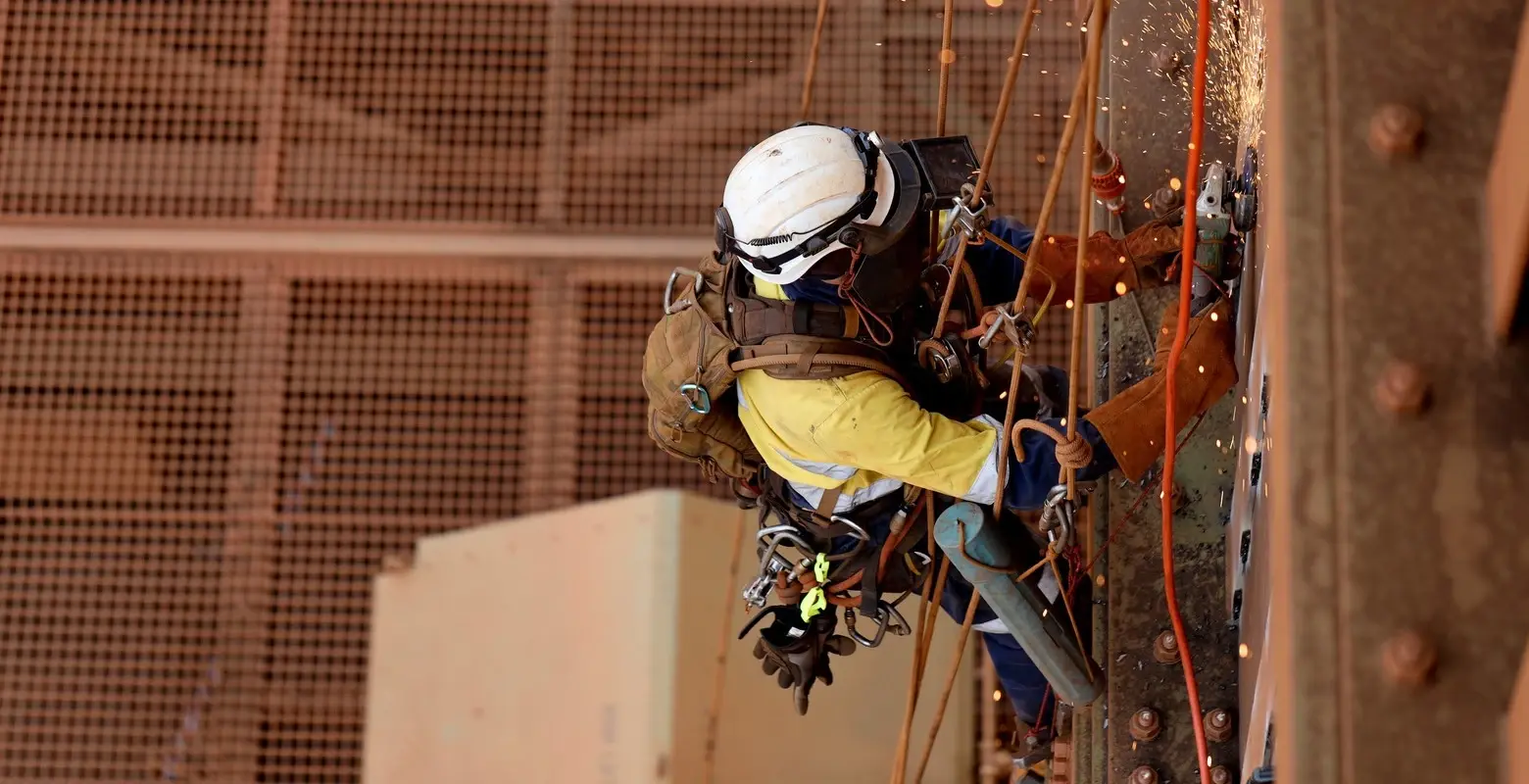
Access the Inaccessible:
Reach locations where traditional scaffolding, lifts, or cranes are impractical or impossible
Professional Advancement:
Add valuable rope access skills to your existing trade, expanding job opportunities and earning potential
Safety Matters:
Rope Access has a 99.9% accident-free record, making it one of the safest working-at-height methods worldwide
Level I, II, & III SPRAT Certification Courses
Whether you’re building your rope access team or elevating your top performers, we’ve got the training track for you.
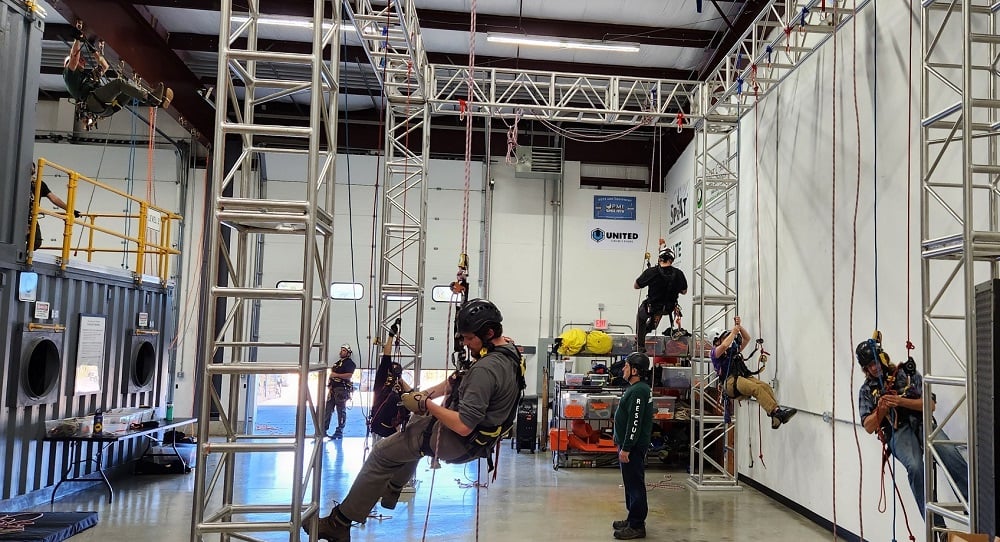
Requirements:
No prior rope access experience required
Age Requirement:
Minimum 18 years old (verified by government-issued identification)
Duration:
4 days training + 1 day evaluation
Our Level I course starts with fundamental safety principles for working at height, then builds into hands-on training with two-rope systems. Students master essential skills including rope ascent and descent techniques, safe rope-to-rope transfers, and basic rescue procedures. The curriculum covers structural rigging progression, anchor point fundamentals, and job hazard assessment principles. Students demonstrate proficiency through a Level I field evaluation conducted by a certified SPRAT evaluator.
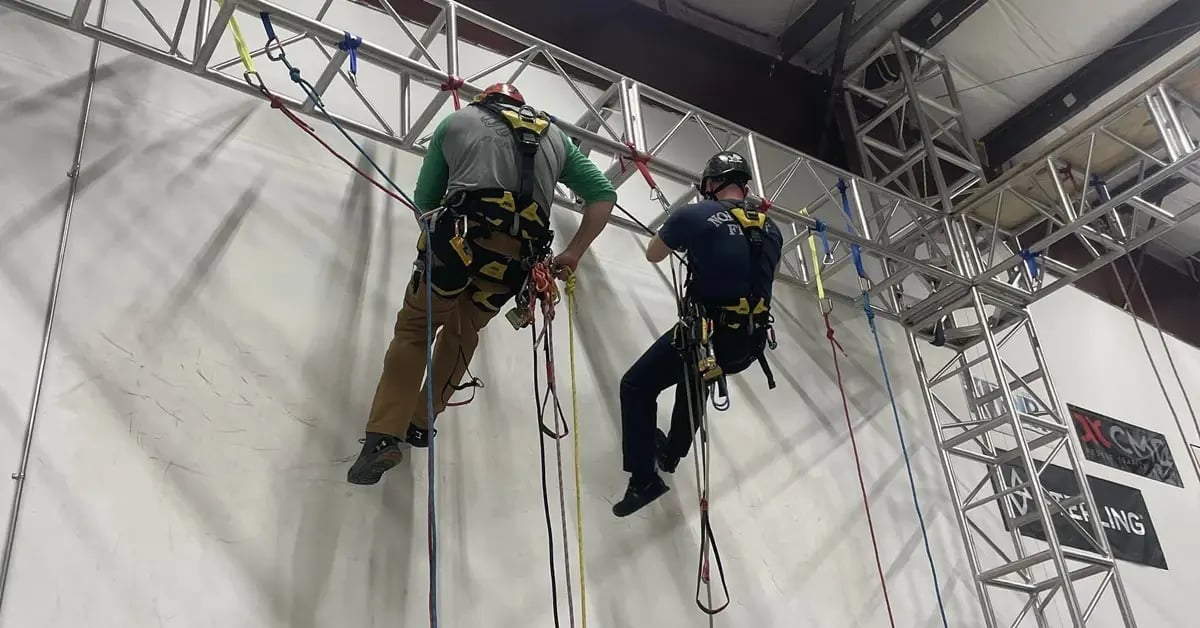
Requirements:
Valid Level I certification + documented experience
Experience:
Minimum 500 hours and 6 months of documented industrial rope access experience as a Level I Technician required
Duration:
4 days training + 1 day evaluation
This course develops technicians for lead roles by expanding upon Level I fundamentals and field experience. Level II students learn advanced rescue procedures, mechanical hauling techniques, and structural progression through aid climbing methods. Students demonstrate proficiency through a Level II field evaluation conducted by a certified SPRAT evaluator.
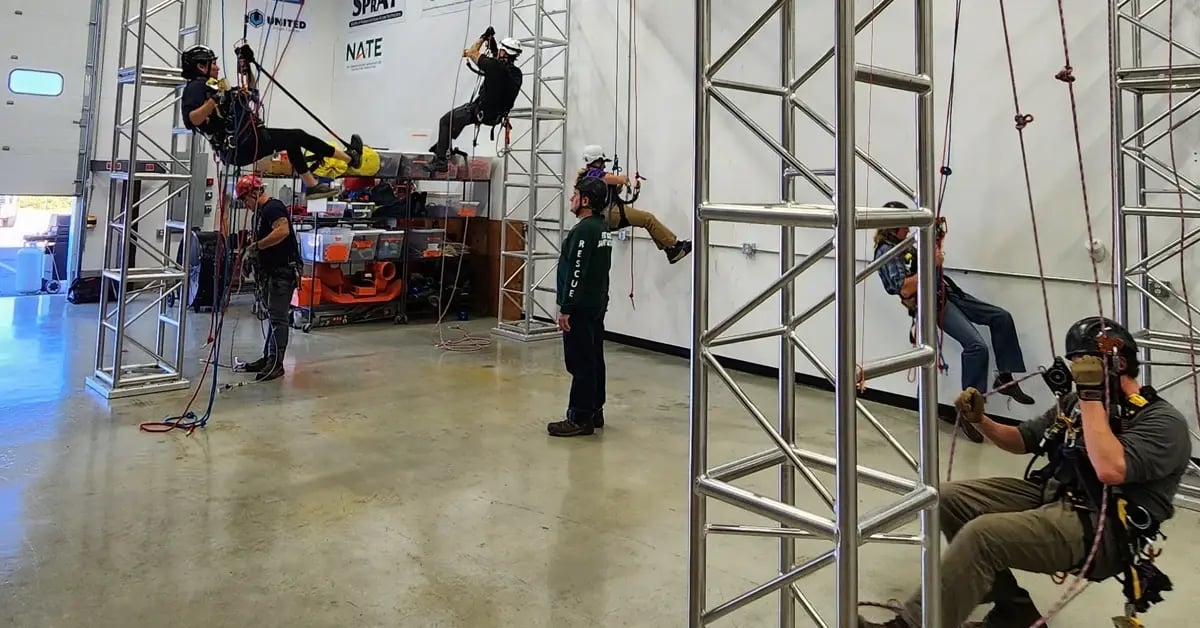
Requirements:
Valid Level II certification + extensive experience
Experience:
Duration:
4 days training + 1 day evaluation
This represents the pinnacle certification within the SPRAT program. Extensive experience and proven competency are essential to excel in Level III training, which encompasses advanced leadership principles, complex rigging systems, and sophisticated rescue operations. Students demonstrate proficiency through a Level III field evaluation conducted by a certified SPRAT evaluator.
Month
Year
Month
Year
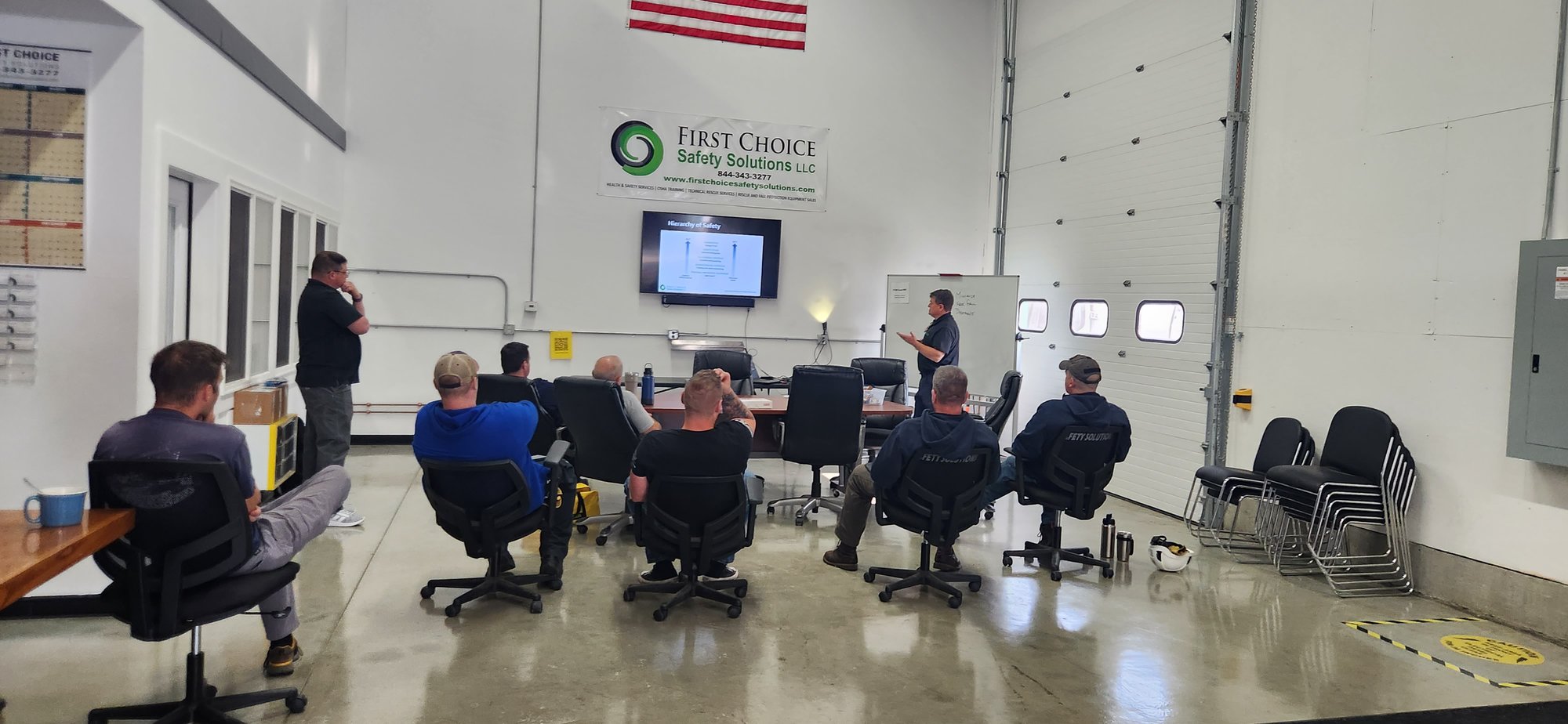
Classroom Space - Dedicated areas for theoretical instruction and testing
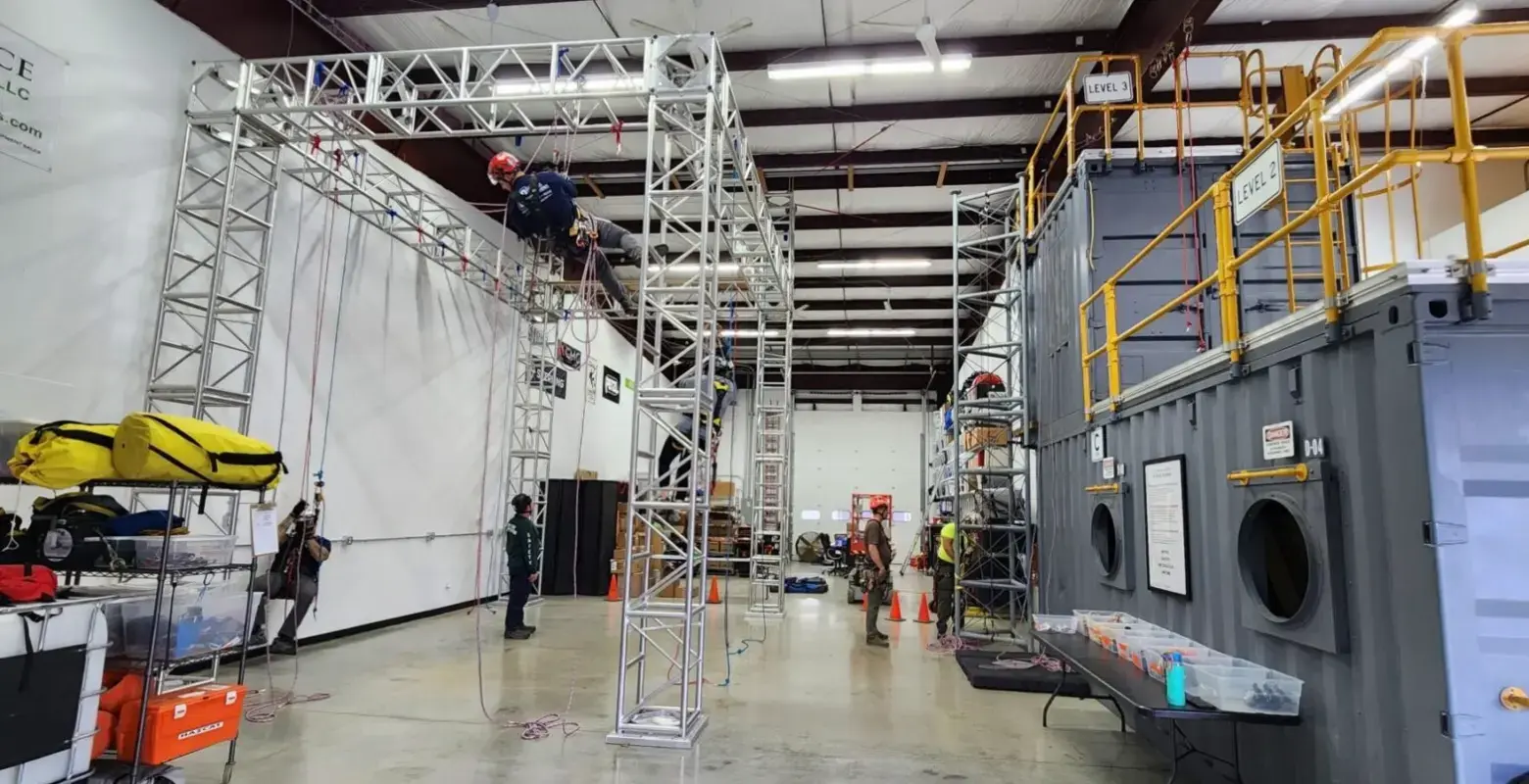
Rope Access Training Center - Purpose-built for SPRAT certification training
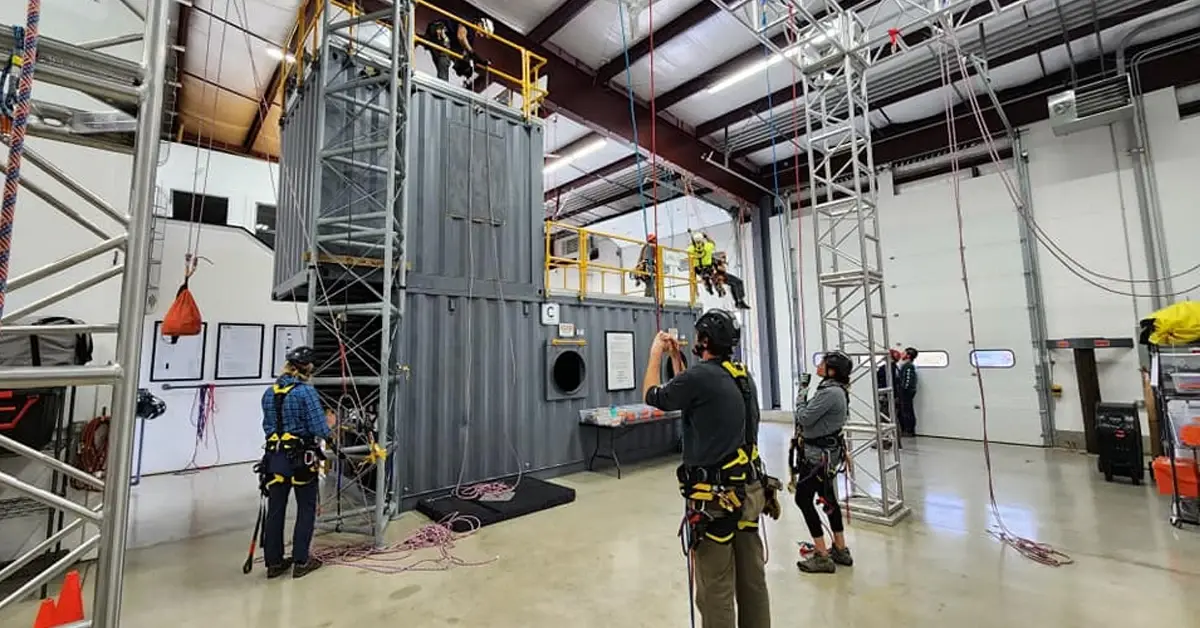
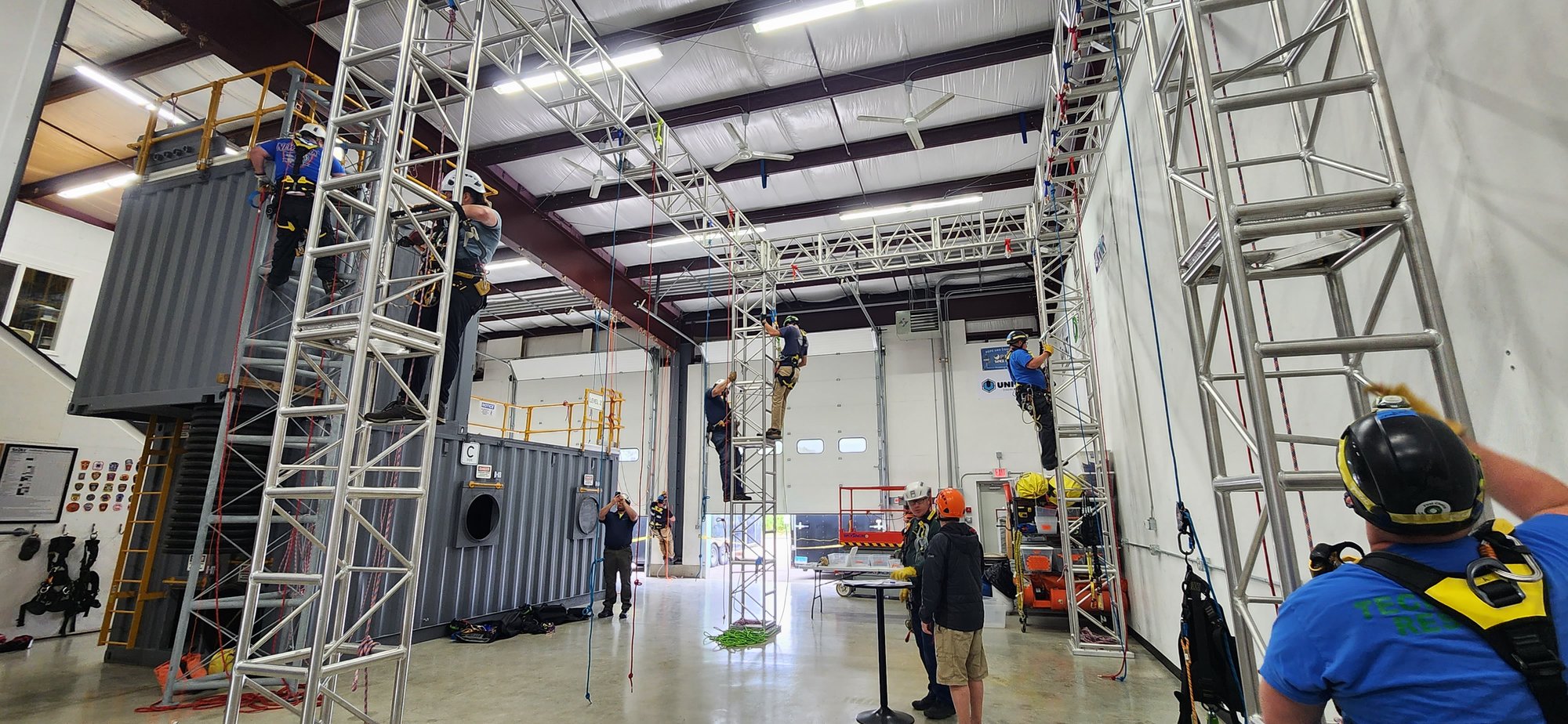
3-Story Confined Space and Rope Rescue Training Structure - Multi-level training scenarios
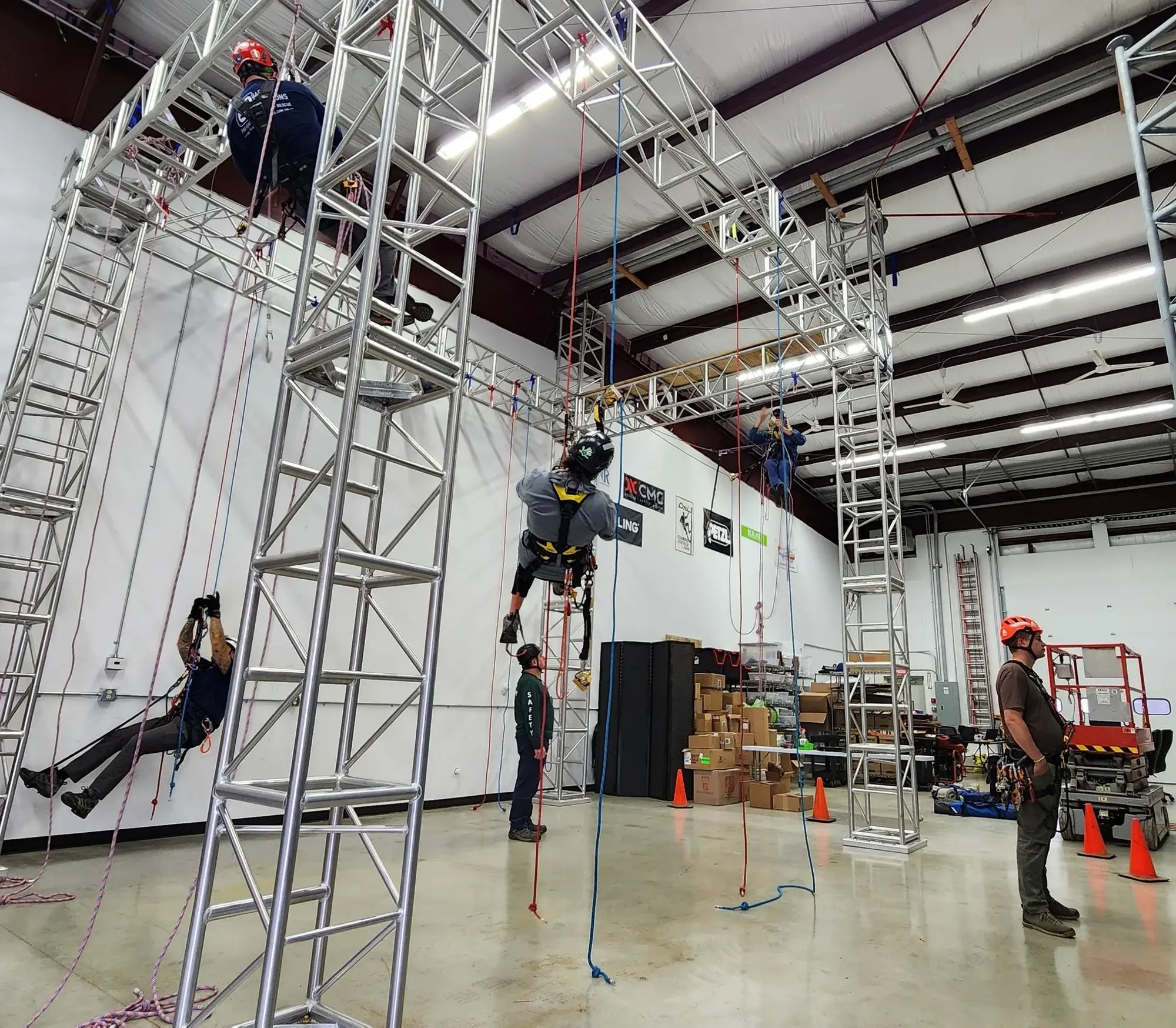
Our purpose-built training center features diverse structures designed to replicate real-world rope access challenges, including:
The centerpiece of our facility consists of multiple levels of stacked shipping containers and engineered truss systems, creating versatile training platforms for comprehensive rope access skill development. These structures provide the realistic anchor points, elevation changes, and access challenges that SPRAT-certified technicians encounter in professional environments.
Our facility enables hands-on practice of essential rope access techniques including ascending, descending, rope transfers, and rescue procedures across various heights and configurations, preparing students for SPRAT certification evaluations
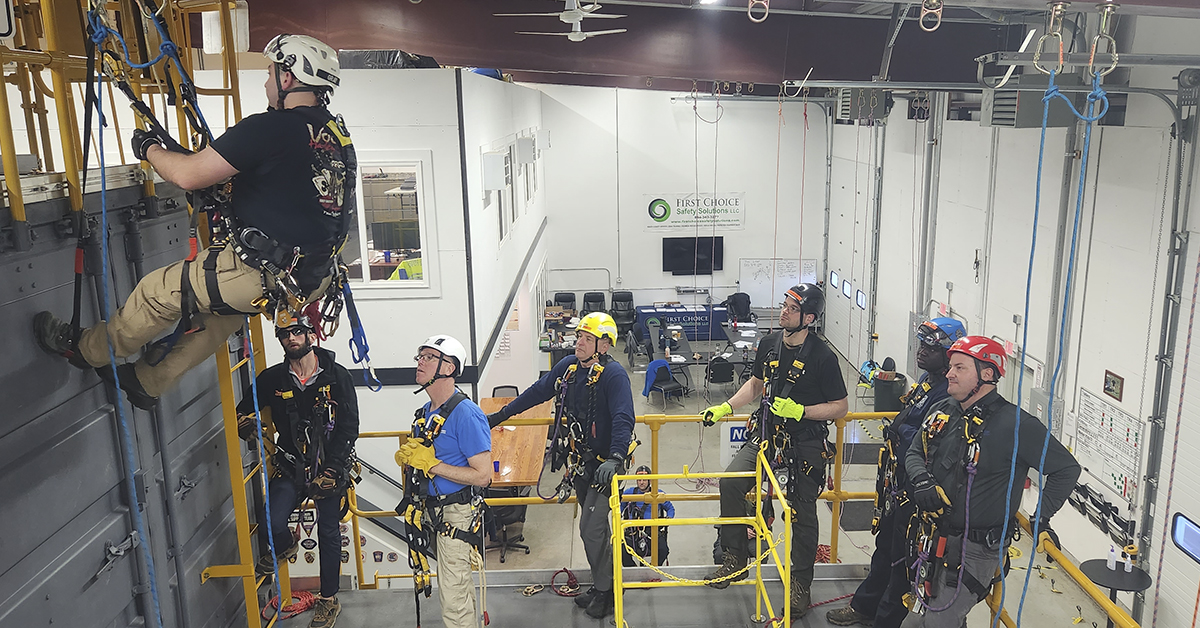
Unlike facilities that focus solely on rope access techniques, FCSS integrates rope access training with industrial safety, confined space rescue, and fall protection disciplines—ensuring our graduates are more versatile, job-ready, and equipped to handle real-world challenges. As a Petzl Technical Partner, we uphold the highest standards in training, compliance, and equipment expertise.
To become SPRAT certified, candidates need to attend a SPRAT certification session and undergo an evaluation. The evaluation is conducted by a certified SPRAT evaluator who is independent of the training provider.
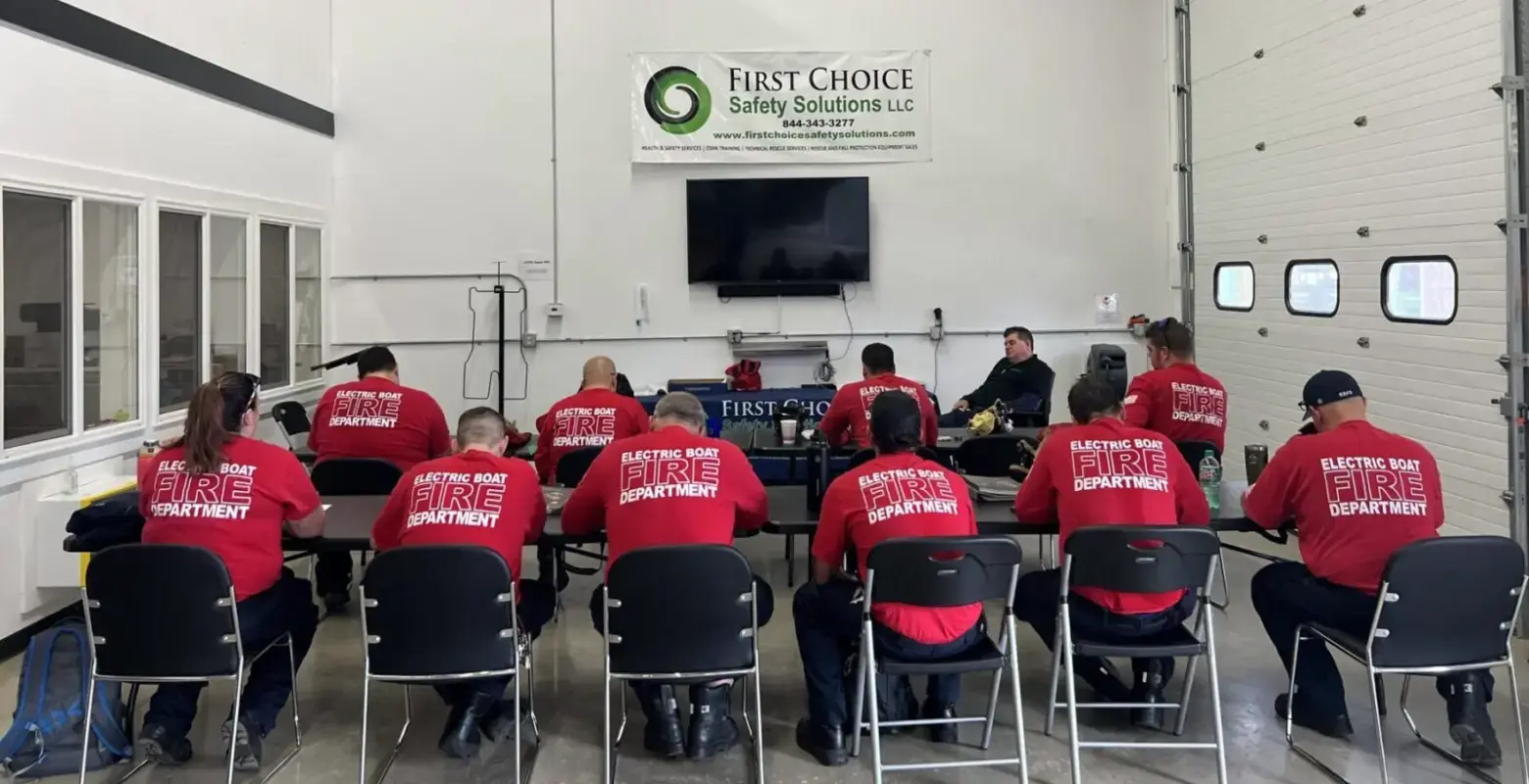
Written Examination - Safety standards, regulations, and technical knowledge.
Physical Performance Test - Hands-on demonstration of rope access skills.
Independent Evaluation - All assessments conducted by certified SPRAT evaluators.
Training is required for all candidates prior to initial certification at any level.
Certification sessions must be hosted by SPRAT-approved evaluation session hosts.
Certification is valid for three years from date of successful evaluation.
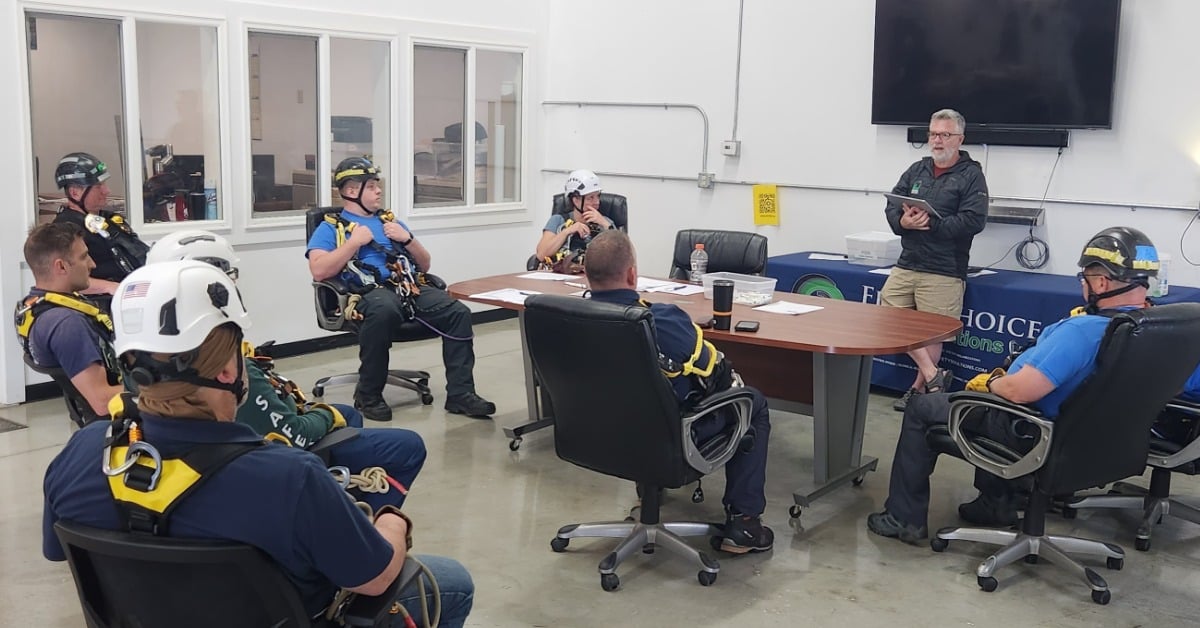
Direct Entry Available: Candidates with existing rope access experience from recognized associations may qualify for direct entry to Level II or III, subject to SPRAT's pre-approval process and documentation requirements.
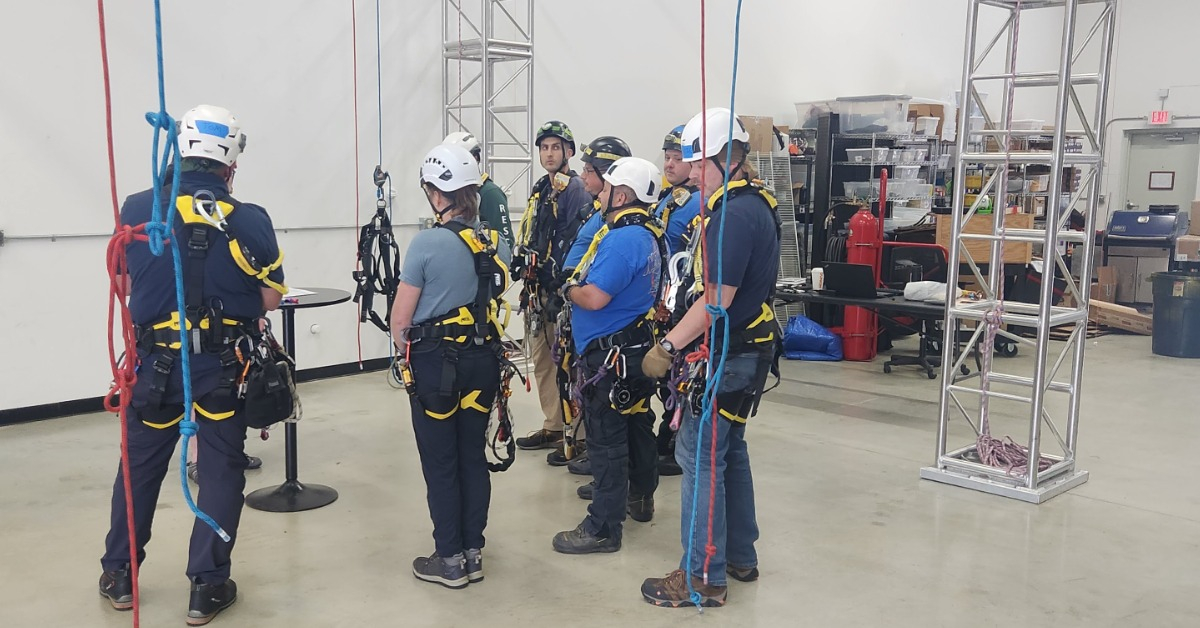
4 days of comprehensive training with certified instructors
All rope access equipment is provided during training
Training manual and reference materials
SPRAT evaluation fee and certification processing
Small class sizes with individual attention
Ongoing technical support and career guidance
Minimum age 18 years
Good physical fitness and comfort with heights
Medical evaluation recommended prior to training
Weight limit: 310 lbs (due to equipment constraints)
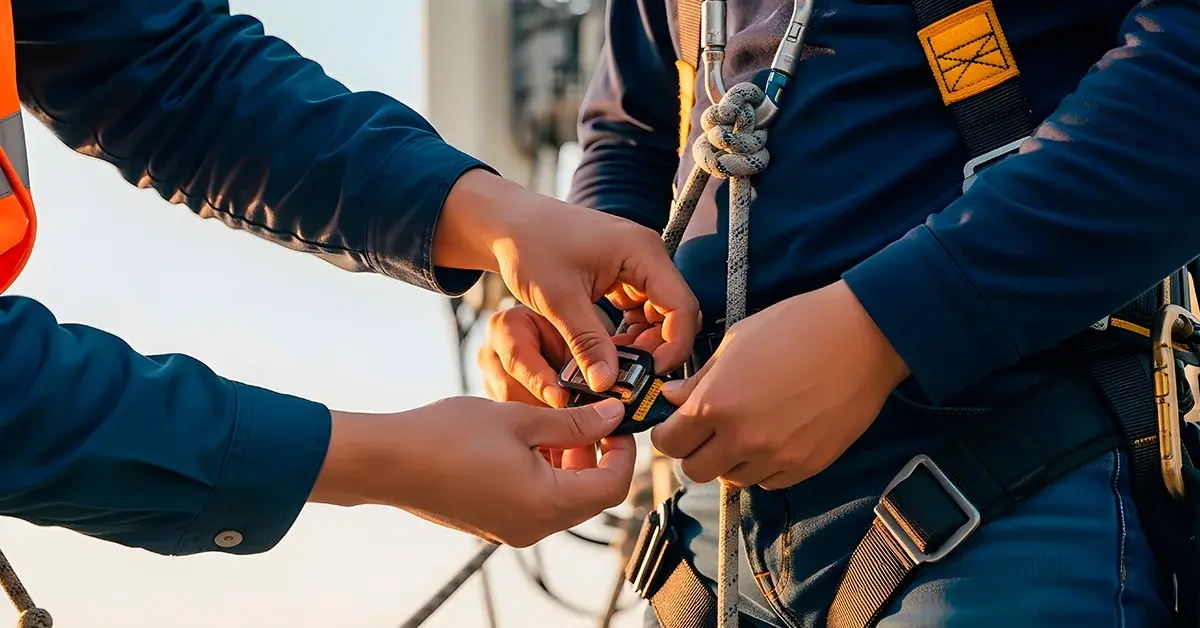
Appropriate work clothing suitable for climbing
Sturdy footwear (boots or athletic shoes)
Personal protective equipment if you have inspection records
Readiness for physically and mentally demanding training
Medical Contraindications Include: Heart disease, high blood pressure, epilepsy, fear of heights, vertigo, impaired limb function, alcohol or drug abuse, psychiatric illness, and diabetes.
All students are encouraged to consult their doctor before starting any of our courses. Those with cardiac conditions, obesity, surgeries within the past 12 months, or other physical impairments are responsible to see their doctor prior to attempting a rope access course. First Choice Safety Solutions is not and cannot be responsible for inability to complete a course or successfully pass an evaluation session, or for any condition arising from the exertion required to participate in a course.
Rope access has transformed industrial work by providing safe, efficient access to challenging locations that were previously difficult or impossible to reach. Using specialized two-rope systems and techniques, SPRAT-certified technicians can position themselves precisely for inspection, maintenance, and repair work with minimal setup requirements and maximum safety.
With the ability to access hard-to-reach areas more quickly and efficiently than traditional methods relying on scaffolding, cranes, or aerial platforms, rope access offers significant advantages including reduced operational disruption and enhanced worker safety. A wide array of industries now utilize SPRAT-certified rope access technicians for their specialized access needs. Examples include the following:
Infrastructure
With ever-increasing pressure on aging public infrastructure like bridges, ports, airports, and utility systems, minimizing the impact on ongoing operations while maintaining effective inspection, maintenance, and repair programs is critically important. From building façade inspections to complex structural assessments, SPRAT rope access training equips technicians with the ability to efficiently access these hard-to-reach locations without disrupting essential public services.
Petrochemical
Complex industrial facilities with intricate piping systems, reactors, and processing equipment require specialized access solutions for inspection, maintenance, and repair work. Rope access enables efficient access to distillation columns, cooling towers, storage tanks, and confined processing areas where traditional scaffolding would be impractical or disruptive to ongoing operations. The method's minimal setup requirements and ability to work around active equipment make it particularly valuable during planned maintenance shutdowns and turnarounds where time is critical.
Oil & Gas
From extreme heat and massive swells to bitter cold and heavy rain, the oil and gas industry regularly encounters hazardous environments at sea and onshore. With structures and machinery taking up much of the limited space available, performing vital operations is a challenge. Oil and gas sector end-users and their service providers overcome these obstacles by utilizing SPRAT-certified technicians to perform tasks in areas that seem impossible or, at best, very difficult to access by other means.

Energy
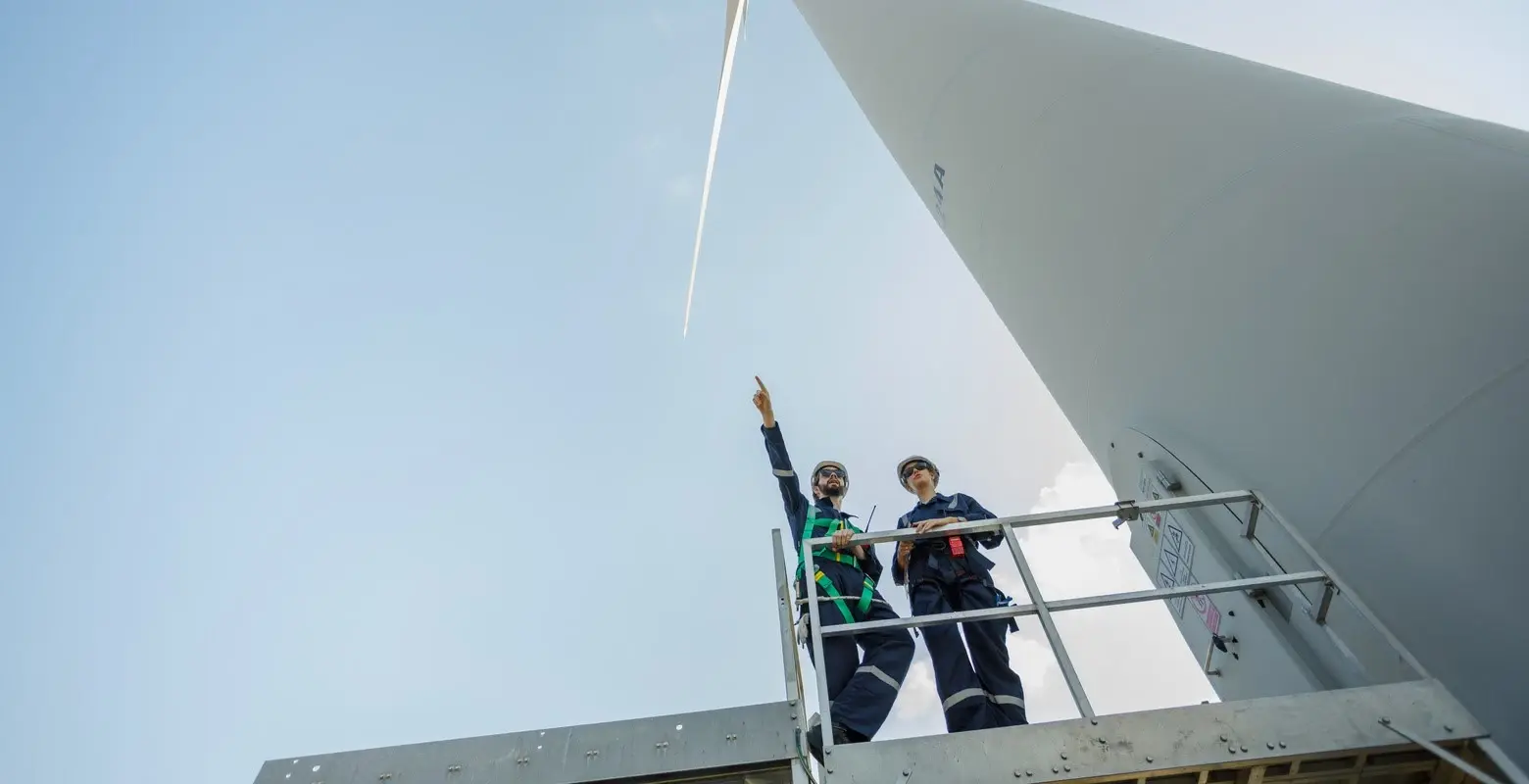
Hydro, Wind, Solar, and CSP (Concentrated Solar Power) are examples of the many forms of power generation enjoying the effective benefits of industrial rope access. From cleaning and maintaining to repairing tall wind turbines, this critical power infrastructure requires specialized attention, and SPRAT certification provides the ideal solution.
Emergency Services
Fire department technical rescue teams and special operations units pursue rope access training to significantly elevate their capabilities beyond traditional NFPA standards. SPRAT training teaches self-sufficiency, enabling rescuers to achieve complex rescues using only their equipment and knowledge. The high level of rope skills demonstrated by rope access workers motivates technical rescue teams to increase their personal capabilities. After completing certification, individuals achieve advanced competency for working at height, including complex rope-to-rope transfers, sophisticated rigging techniques, and the confidence to move laterally while transitioning between rope systems. SPRAT has become the next step for many fire department technical rescue members seeking advanced training beyond traditional courses, while also offering career development opportunities, as many companies recruit certified students for their rope access teams
We truly believe you should get more from training than just a certificate.
Our goal is to prepare you for the demands of a successful career in rope access. That's why we provide comprehensive training, ongoing support, and the industry connections that help our graduates succeed.
Your success is our success.
We believe our obligation to you extends well beyond the boundaries of the classroom. Just give us a call—we don't mind giving advice or pointing you in the right direction.
Train your people to meet SPRAT standards
Certify new hires or level up existing staff
Gain a partner who understands safety and operational demands
Perfect! Level I training is designed for complete beginners. We'll teach you everything you need to know, starting with the basics.
SPRAT evaluations are pass/fail. If unsuccessful, you can schedule re-evaluation within a reasonable timeframe. We offer refresher training to help ensure success.
Yes, all rope access equipment is provided. Personal equipment is only permitted with proper inspection records and traceability documentation.
SPRAT certification is valid for three years. Maintain it by passing a re-evaluation at your current level or testing for a higher level before expiration.
Direct entry may be available for experienced candidates from recognized rope access associations, subject to SPRAT's approval process and documentation requirements.
The FCSS program is five days. Days 1 through 4 consist of classroom instruction, instructor demonstration, coached repetition, and hands-on practical training. Day 5 is reserved for the written test and practical evaluation administered by an independent SPRAT evaluator.
Candidates should plan to attend the entire program. Current course times are provided on the registration page and in the course confirmation.
Yes, for initial Level I certification and initial upgrades to Level II or Level III. SPRAT requires candidates to receive qualifying training within six months before the evaluation. For recertification and other subsequent evaluations, SPRAT recommends training within the six months preceding the evaluation.
FCSS strongly recommends completing the full training program before any evaluation. Even experienced technicians benefit from reviewing current SPRAT requirements, evaluation expectations, equipment configurations, and performance principles.
The standard $1,700 registration includes:
Travel, lodging, meals, and personal items are not included unless specifically stated in the course announcement.
Yes. The independent SPRAT evaluation and applicable certification-processing fees are included in the standard $1,700 registration.
The evaluator is independent of FCSS and has sole authority over evaluation grading. FCSS instructors prepare candidates for the evaluation but do not determine whether a candidate passes or receives certification.
No. SPRAT does not require previous rope access experience for Level I certification. Candidates must be at least 18 years old, provide identification, complete the required training, and successfully pass the written and practical evaluation.
Although prior experience is not required, candidates should be comfortable working at height and prepared for a physically active week of training.
A standard Level II upgrade candidate must:
Candidates with experience outside SPRAT may require Direct Entry approval from SPRAT before evaluating at Level II.
A standard Level III upgrade candidate must:
SPRAT Safe Practices also require appropriate first-aid training for rope access work-team members. Employers may establish additional first-aid, CPR, supervisory, or industry-specific requirements.
Level II and Level III candidates must provide documentation verifying at least 500 hours of qualifying rope access experience at their current certification level. Candidates should bring:
SPRAT states that hours should be verified by a rope access supervisor, employer, trainer, evaluator, or client. The person verifying the hours should provide a signature, printed name, SPRAT number when applicable, job title or role, and contact information.
FCSS recommends submitting upgrade documentation for review before the course begins. The independent evaluator makes the final eligibility determination.
Yes. FCSS provides recertification training and evaluation opportunities for SPRAT Level I, Level II, and Level III technicians.
Recertification candidates are evaluated on the requirements of their current certification level. FCSS recommends completing the full training program, particularly if the candidate has not regularly used rope access systems or wants a comprehensive review before evaluation.
You may recertify at any time, but the timing affects the new expiration date. A recertification completed within the final six months of a current certification remains valid for three years from the existing expiration date. A recertification completed earlier than that is valid for three years from the new evaluation date.
For most technicians, scheduling within the final six months preserves the greatest amount of certification time.
An expired certification is no longer current and should not be represented as valid. A technician may pursue certification again at the appropriate level, but an expired credential can affect eligibility to upgrade because standard advancement requires a valid certification at the candidate's current level.
Contact FCSS before registering. We will review your certification history and help determine whether you should recertify at your previous level, evaluate at another level, or request guidance or approval from SPRAT.
No. FCSS provides the rope access equipment required for training and evaluation. This allows candidates to train with equipment that has been selected, inspected, and configured for the course.
Candidates may bring personal equipment for instructor review, but FCSS and the independent evaluator determine what equipment may be used during training and evaluation. Personal equipment must be compatible, properly documented, and in serviceable condition.
Candidates should bring:
Avoid loose clothing or jewelry that could interfere with rope access equipment. FCSS will provide any additional course-specific instructions before the start date.
Rope access training is physically demanding. Candidates must be able to climb ladders, remain suspended in a harness, operate rope-access equipment, manage their body position, and complete repeated practical exercises.
Candidates are responsible for determining whether they are medically and physically capable of participating. Anyone with a condition that may affect safe participation should consult an appropriate medical professional before attending and notify FCSS of any requested accommodation.
A candidate who does not pass will receive a provisional evaluation result identifying the grading outcome. Under SPRAT's grading system, one Fail or three Discrepancies results in an unsuccessful practical evaluation. The independent evaluator has sole authority to issue evaluation grades.
An unsuccessful result does not prevent a candidate from pursuing certification again. FCSS can help the candidate identify appropriate additional training and available evaluation opportunities. Additional training, registration, evaluation, and certification-processing fees may apply.
Yes. Candidates may participate in another SPRAT evaluation after an unsuccessful attempt, subject to SPRAT requirements, evaluator availability, and eligibility for the requested certification level.
FCSS strongly recommends additional training focused on the skills or performance issues identified during the previous evaluation. Contact FCSS before registering so we can review the circumstances and recommend the most appropriate path forward.
SPRAT-certified technicians work in industries where conventional access methods may be impractical, disruptive, or inefficient. Common applications include:
Certification verifies rope access knowledge and practical ability. It does not certify a technician in a separate trade such as welding, inspection, electrical work, engineering, or nondestructive testing.
SPRAT is widely used in North America and may be accepted by employers and clients in other regions. Acceptance depends on the country, regulatory authority, employer, project specifications, and client requirements.
Candidates planning to work internationally should confirm the required certification before enrolling. Some employers or regions may prefer or require IRATA certification, while others accept SPRAT, IRATA, or another recognized credential.
SPRAT and IRATA are separate rope access certification organizations. Both use tiered technician-certification systems and require independent assessment, but their training, experience, documentation, membership, and certification procedures are administered under different programs.
SPRAT is widely used throughout the United States and Canada. IRATA originated in the United Kingdom and has a substantial international network. Neither credential should automatically be treated as interchangeable for every employer or project. Candidates should select the certification required by their employer, client, jurisdiction, or intended market.
For work covered by the NYC Department of Buildings' Industrial Rope Access Application Procedure, personnel using individual support lines must generally be SPRAT- or IRATA-certified and work under the direct supervision of the applicant. The stated alternative applies to licensed engineers or architects trained in accordance with SPRAT or IRATA guidelines and using a full-belay system.
Certification alone is not sufficient. NYC may also require a licensed rigger, direct supervision, a CD5 Suspended Scaffold Application, drawings, insurance, equipment-inspection records, public-protection measures, and other project-specific documentation.
Local Law 11, now administered through the Façade Inspection and Safety Program, requires qualifying buildings higher than six stories to undergo periodic exterior-wall inspections. The required technical report must be filed by a Qualified Exterior Wall Inspector, or QEWI.
Local Law 11 does not make a SPRAT technician a QEWI and does not state that every person involved in a façade inspection must hold SPRAT certification. However, when industrial rope access is used to perform the inspection, the separate NYC DOB Industrial Rope Access Application Procedure applies. Under that procedure, personnel on individual support lines generally must be SPRAT- or IRATA-certified unless they qualify for the licensed engineer or architect alternative.
Yes. FCSS can schedule private rope access training for employers, agencies, departments, and organized groups. Private programs allow organizations to coordinate scheduling, candidate levels, recertifications, and operational priorities.
The independent evaluation remains subject to SPRAT requirements, evaluator availability, candidate eligibility, and evaluation-session hosting requirements. Contact FCSS for scheduling, group pricing, and course-planning information.
Yes, when the facility, equipment, training structures, and safety controls are suitable for the requested program. FCSS can review an employer's site and determine whether on-site instruction is practical.
If the program includes a SPRAT evaluation, the facility must satisfy applicable evaluation-session hosting requirements and be accepted for use by the independent evaluator. Additional planning may be required for anchorages, rescue systems, equipment, fall zones, candidate access, and site safety.
Yes. FCSS accepts purchase orders from approved companies and organizations. Purchase orders should identify the candidate names, course dates, billing contact, authorized amount, and any required invoicing instructions.
Contact FCSS before registration if your organization requires vendor setup, tax documentation, insurance certificates, or other procurement information.
FCSS currently offers a $300 discount to firefighters, police officers, search-and-rescue team members, and active-duty United States military personnel.
The discount applies to qualifying individual registrations and does not apply to group or department enrollments. Eligibility verification may be required, and discounts cannot be combined unless FCSS approves otherwise.
The FCSS office and training center is located at:
First Choice Safety Solutions
800 Flanders Road
Mystic, Connecticut 06355
Our purpose-built indoor training environment supports rope access, confined-space rescue, fall protection, work-at-height, and specialized rescue training throughout the year.
Mystic is centrally located in southeastern Connecticut and is accessible from major Northeast markets. Approximate driving times under normal conditions are:
Travel times vary based on traffic, weather, and point of origin. Candidates should allow additional travel time on the first morning of class.
Yes. Mystic and the surrounding communities offer numerous hotels, restaurants, grocery stores, and other services within a short drive of the FCSS training center.
Lodging is not included in course registration. Candidates traveling from outside the area should reserve accommodations early, particularly during the summer and fall tourism seasons.
Select an available SPRAT course through the FCSS online training calendar and complete the registration and payment process. Employers using a purchase order or registering multiple candidates should contact FCSS directly.
For registration assistance, private-course scheduling, or candidate-eligibility questions, call 1-844-343-3277 or submit the contact form on the FCSS website.


Founded in 2014, First Choice Safety Solutions (FCSS) specializes in providing Safety, Rescue, Access, Training, and Gear Solutions for critical infrastructure industries including: Power Generation, Industrial, Construction, Manufacturing, Water, Emergency Services, and Defense. With over a decade of experience serving these essential industries, FCSS understands the unique challenges and safety requirements that define high-risk work environments. Our comprehensive approach combines professional training with real-world application, ensuring that every technician we certify is prepared to perform safely and effectively in demanding conditions.
Operating from New England's largest and most advanced rope access training facility in Mystic, Connecticut, we've built our reputation on delivering industry-leading education that meets the evolving needs of today's infrastructure and industrial sectors. Rope access training opens doors to better pay, better benefits, and better career opportunities across multiple industries. We've trained hundreds of students just like you who are now enjoying careers in construction, energy, telecommunications, industrial maintenance, and beyond.
Ski resorts, hotels, and recreational facilities require specialized access for maintenance of chairlifts, building facades, and scenic structures.
Rope access enables efficient inspection and repair of ski lift towers, resort building exteriors, observation decks, and adventure park installations while minimizing disruption to guest operations and maintaining aesthetic appeal.
Ships, offshore platforms, port facilities, and offshore wind installations present unique access challenges in marine environments. SPRAT-certified technicians perform hull inspections, rigging maintenance, cargo handling equipment repairs, and structural assessments on vessels and maritime infrastructure. With offshore wind development rapidly expanding in New England waters, rope access technicians are increasingly essential for turbine maintenance, blade inspections, and tower assessments where traditional access methods are impractical or impossible due to water proximity, vessel movement, and harsh marine conditions.
Theaters, concert venues, stadiums, and film production facilities require specialized access for rigging, lighting, and set construction work.
Rope access technicians perform maintenance on stage rigging systems, install complex lighting arrays, access arena ceilings and catwalks, and support film production in challenging locations where traditional access methods would interfere with performances or productions.
Our team takes pride in your safety. Let us make your next outage or shutdown as smooth as possible.